The Allure of Gambling: What Draws Players In
The casino environment is designed to captivate and engage individuals, making it easy to lose track of time and money. The bright lights, vibrant colors, and welcoming sounds of coins and cheers create an electric atmosphere that stimulates excitement. This sensory overload plays a significant role in drawing players into the experience, often overshadowing the potential risks involved in gambling. If you’re curious about the deeper implications, get more insights here can provide valuable context.
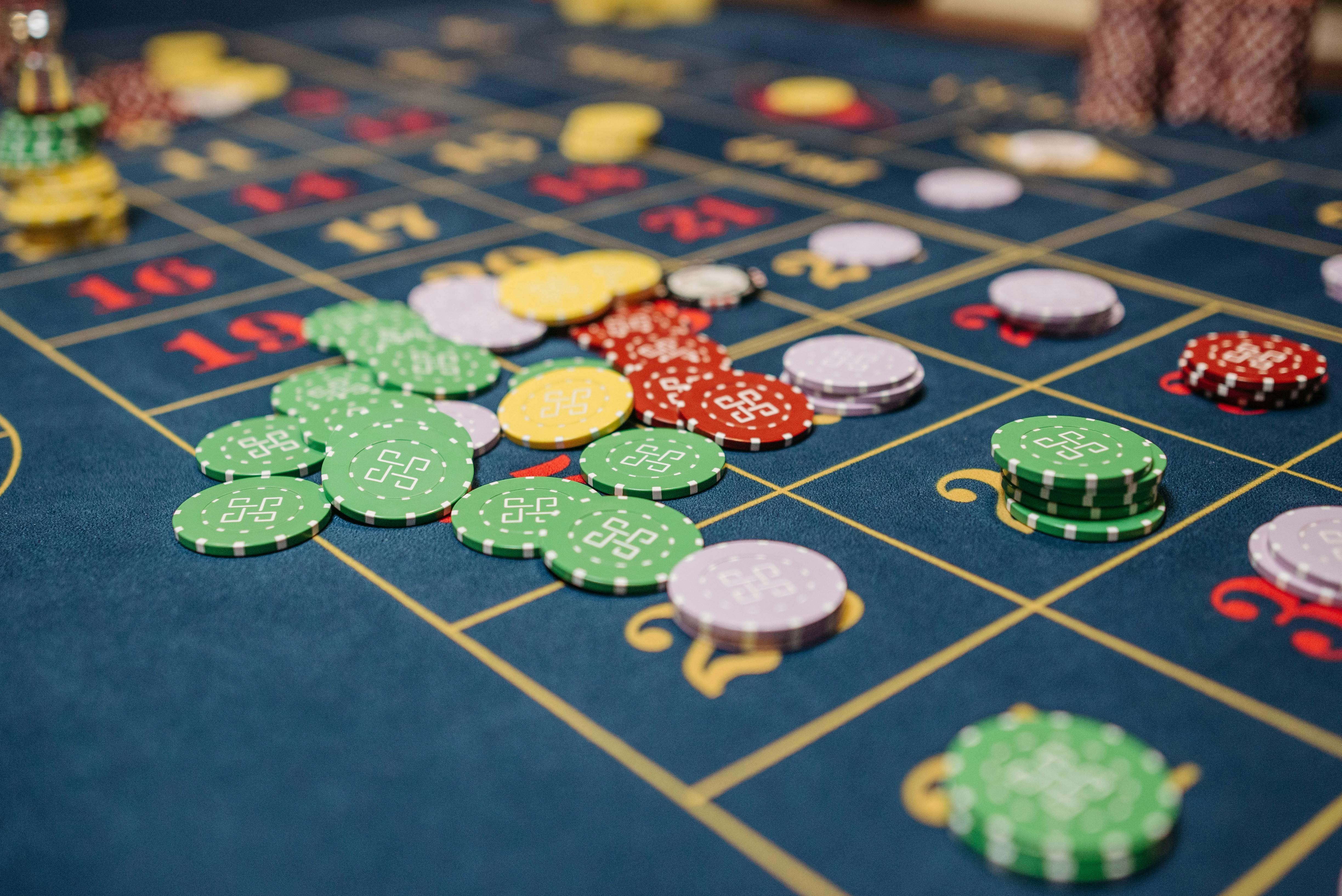
Additionally, the thrill of risk-taking and the possibility of winning big can trigger a dopamine response in the brain, akin to the feeling of euphoria. This chemical reaction can drive individuals to continue playing, often regardless of the outcomes. Understanding this psychological allure is crucial for anyone wanting to comprehend the dynamics of winning at the casino.
The Role of Cognitive Biases in Gambling
Cognitive biases significantly influence gambling behavior, leading players to make irrational decisions. One prevalent bias is the «gambler’s fallacy,» where individuals believe past events affect future outcomes. For instance, a player might think that a slot machine that hasn’t paid out recently is due for a win, despite each spin being an independent event.
Another common bias is overconfidence, where players believe they have more control over the game than they actually do. This belief can lead to continued betting, even when the odds are against them. Recognizing these biases can help gamblers make more informed decisions and potentially increase their chances of winning.
Strategies for Enhancing Winning Potential
While luck plays a significant role in gambling, employing strategic approaches can improve a player’s chances of success. Setting a budget and sticking to it is essential, as it helps players manage their finances during gameplay. Additionally, choosing games with better odds can also enhance winning potential. For instance, games like blackjack or poker require skill and strategy, offering players a more substantial edge over pure chance games like slots.
Moreover, understanding the rules and nuances of different games can provide players with a competitive advantage. Players who invest time in learning strategies and improving their skills are more likely to experience favorable results over time, leading to a more rewarding gambling experience.
The Impact of Emotions on Gambling Decisions
Emotions play a significant role in gambling outcomes, often leading to impulsive decision-making. A player who is feeling lucky or excited may disregard their budget and place larger bets, increasing the risk of significant losses. Conversely, those feeling frustrated or upset may chase losses, leading to a cycle of poor choices.
Awareness of one’s emotional state can be vital for maintaining control while gambling. Techniques such as taking breaks, practicing mindfulness, or even engaging in deep breathing can help players manage their emotions and make rational decisions. This emotional regulation can ultimately contribute to a more enjoyable and potentially profitable gambling experience.
Understanding Restricted Access and Casino Websites
When delving into the world of online gambling, players may encounter restricted access notifications that can be frustrating. These «403 – Forbidden» messages indicate that users do not have permission to view specific content or pages. Understanding the reasons behind such errors can empower players to navigate online casinos more effectively.
If you find yourself facing a restricted access issue, it may be beneficial to check your permissions or revisit the homepage for further options. Awareness of such access issues is crucial in ensuring a smooth online gambling experience, minimizing disruptions, and allowing players to focus on strategies that enhance their chances of winning.